Separate inspection from intervention
Inspection and maintenance are related but different operations. An inspection collects and interprets evidence; maintenance changes the asset. A system that can move a camera across a girder is not automatically capable of removing corrosion, preparing a coating surface or applying a durable repair. Before choosing robotic equipment, define the treatment, acceptance criteria, permitted tools and the authority responsible for approving the method.
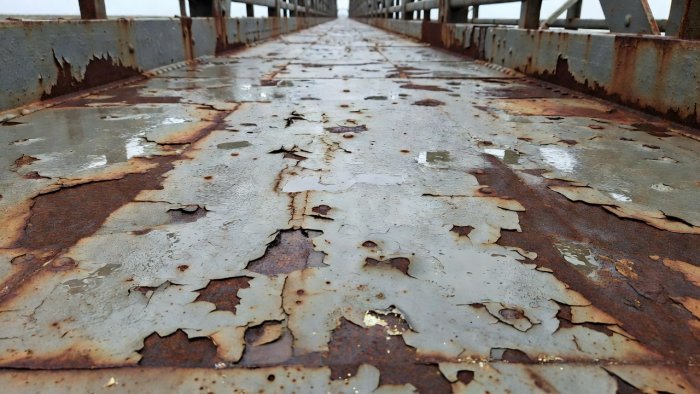
Maintenance planning should start with a confirmed location and condition. A suspected defect from imagery may require closer examination before any surface is cleaned or disturbed. The work specification needs to address the material, coating system, contamination, access, waste capture and environmental controls. If the intended process could remove evidence, alter a protective layer or affect a structural detail, obtain the appropriate engineering and owner approvals before execution.
Tasks where automation may assist
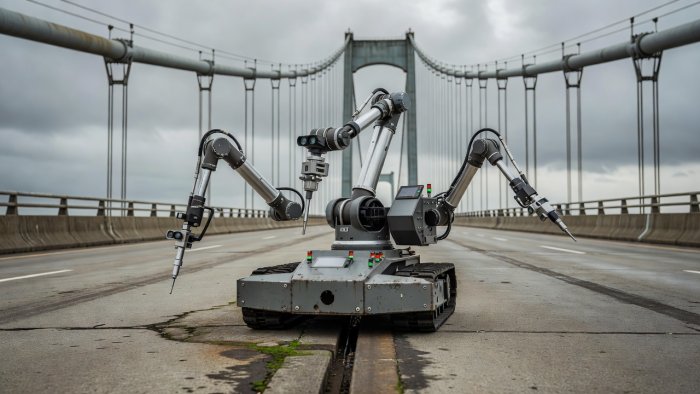
Remote or semi-automated platforms can be considered for repetitive, bounded work such as close visual recording, surface cleaning trials, localized coating preparation or repeatable application on accessible geometry. Whether a particular system can perform any of these tasks depends on its tooling, control, load capacity, access route and validated performance. In many situations, the practical role is to position a tool or sensor while a trained operator supervises each pass. “Robotic” does not necessarily mean autonomous.
Cleaning is a good example of why process control matters. The method must remove the specified contaminant without damaging the substrate or carrying debris into bearings, waterways, roadways or neighboring equipment. Abrasive, water-based or mechanical techniques each create different hazards and waste streams. Capture systems, containment, wind conditions, runoff management and nearby public exposure need to be considered alongside machine capability.
Set controls and acceptance points
Use a method statement that describes the work boundary, equipment, consumables, operating limits, communication, exclusion zone, stop-work triggers and recovery method. Define how the platform will remain stable while the tool is active and how reaction forces, vibration or heat may affect the structure or sensor readings. The person controlling the system should have a clear view of the task, with an agreed communication path to the bridge owner’s representative and safety lead.
Acceptance criteria should be measurable and related to the intended maintenance outcome. For cleaning, that could mean an agreed cleanliness standard and a documented inspection of prepared areas. For coating work, specify surface preparation, environmental conditions, application controls, curing and inspection records. A robotic pass should not be accepted solely because the mechanism completed its programmed path. Independent checks may be required, especially at edges, joints, transitions and areas where the tool could not maintain consistent contact.
Preserve traceability through the job
Record before-and-after views from comparable positions. Log which tool and settings were used, who supervised the work, the duration, environmental conditions, material batch details where applicable, and any interruption or rework. Link each image and note to a component identifier and repair zone. If a system records telemetry, retain a useful summary with the job file rather than assuming raw machine data will explain itself later.
Be explicit about treatment boundaries. A small trial patch may show that a process is promising without proving it is suitable across a complex bridge. Different steel profiles, coatings, access angles and exposure conditions may produce different outcomes. Expand work only when the owner’s review confirms that the method meets the specification and that environmental and safety controls remain effective.
Know when to stop or change methods
Abort or reassess if the platform loses reliable attachment, the surface differs from assumptions, tool vibration changes, containment fails, visibility degrades or an unexpected condition appears. A machine may be recoverable from some faults but not others; retrieval procedures must be planned in advance. Do not improvise an unsafe recovery simply to complete a pass. An alternative access method, a smaller work area or a conventional repair crew may be the responsible choice.
After intervention, the owner needs a coherent handover: the specified task, exact completed area, exceptions, quality checks, remaining concerns and follow-up interval or inspection requirement. The value of automation is not that it removes professional oversight. It may reduce exposure, improve repeatability or help address an access constraint when evidence shows that it does so safely and reliably. Report those benefits and their boundaries in terms that an asset manager can verify.